When the Lights Go Out: A Night-Time Guide to the Mill, the Urr and the Sky Above
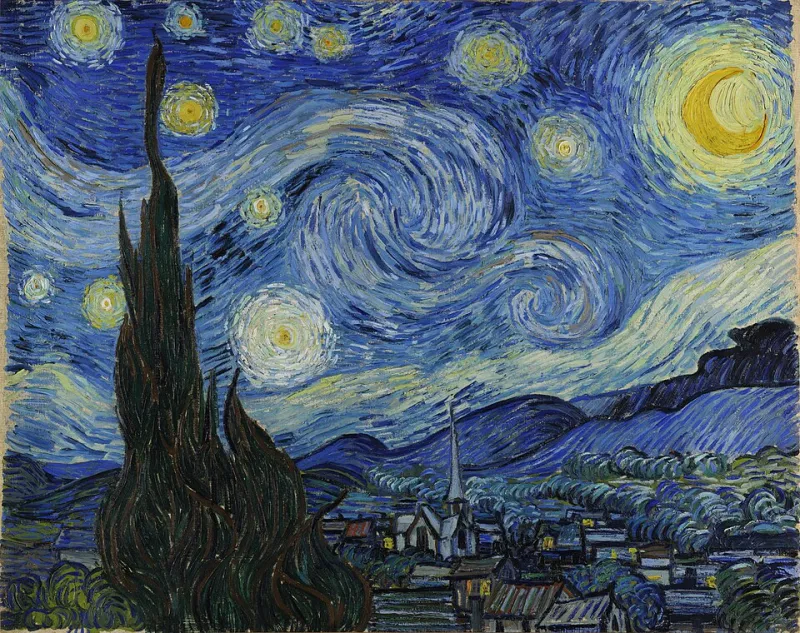
Photo: Vincent van Gogh, Public domain, via Wikimedia Commons
Most guests arrive at The Old Mill in daylight, dump the bags, make a cuppa and head straight out to explore. Perfectly sensible. But there's a second half to Palnackie that plenty of visitors never clock — the one that starts when the streetlights (all three of them) flicker on and the estuary goes quiet.
If you've come from Glasgow, Manchester or London, the first thing that'll strike you is the dark itself. Not the gloomy orange murk of a city night, but proper darkness — the kind where the Milky Way shows up without any equipment and you find yourself standing in the car park looking up like a tourist in your own sky.
Why the skies here are worth the trip
Dumfries and Galloway sits in one of the darkest corners of Britain. Galloway Forest Park — about an hour's drive inland — was Europe's first Dark Sky Park, and while you don't need to go that far for good stargazing, it's a brilliant option if you fancy making a night of it. Closer to home, the skies over Palnackie are dark enough that on a clear winter evening you can pick out the Andromeda Galaxy with the naked eye, a smudge of light two and a half million years old, from the footbridge over the Urr.
Best times to look up:
- Autumn and winter (September to February) — longest nights, crispest air, and the Milky Way arching overhead. Wrap up properly; it gets properly cold.
- Spring — decent darkness until late, with the Plough riding high.
- Summer — it barely gets fully dark in June and July, so save the stargazing for other trips.
A word on timing: give your eyes twenty minutes to adjust and keep your phone in your pocket. One glance at a bright screen resets everything.
The dusk shift: what comes out around the mill
Long before the stars appear, the wildlife clock starts. Dusk on the Urr is a proper shift change.
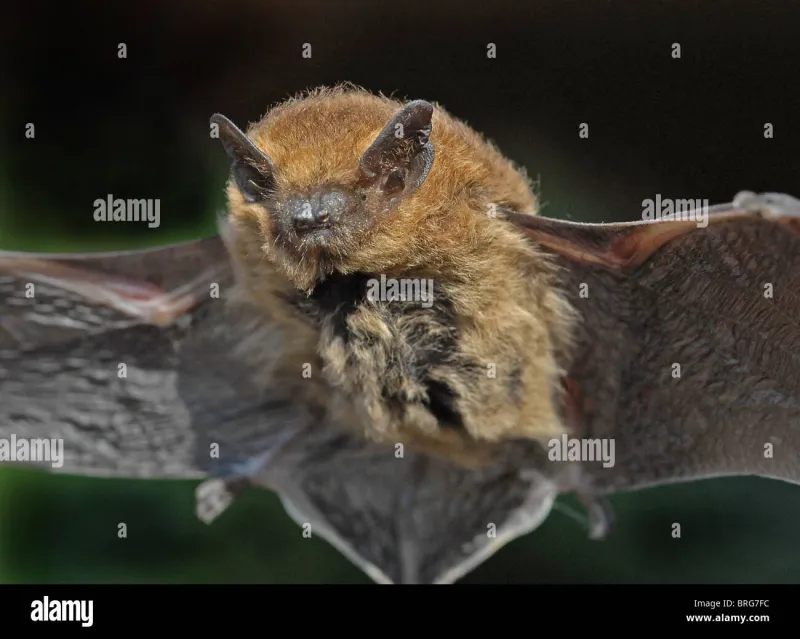
Bats are the first on duty. Pipistrelles flit along the riverside in erratic, jittery loops — you'll hear them faintly clicking if the evening's still. Sit on the bench by the quay around sunset in summer and you'll have company within minutes.
Owls own the night shift. Tawny owls call from the woodland behind the village — that classic hoo-hoo-hooo — while barn owls hunt the rough grass along the estuary margins, ghost-pale and silent, best spotted in the half-hour after sunset on calm evenings.
Red squirrels aren't strictly nocturnal, but they're active late in the day, and the woods around Palnackie are one of the few places in the UK where they're still the default squirrel. Keep an eye on the tree line around teatime.
And then there's the sound of the place at night: the river, the wind in the trees, the occasional oystercatcher piping somewhere out on the mud. It takes city ears a night or two to stop listening for traffic.
Planning an evening that feels like an escape
Here's a simple format that works in almost any season:
- Eat early or eat in. Palnackie's pub does a good plate, but book ahead — village kitchens keep village hours.
- Dusk walk. An amble along the estuary path from about an hour before sunset. This is your owl and bat window.
- Dark-sky sit. Once it's properly dark, find a spot away from the house lights — the harbour wall or the footbridge are both cracking.
- Back to the mill. Blanket, lamp, whisky optional but recommended.
What to pack
- A red-light torch (or a normal torch with a red sweet wrapper over the lens) — preserves your night vision and everyone else's
- Extra layers, whatever the forecast says — riverside evenings run cooler than you expect
- Binoculars if you have them; brilliant for owls and better than most starter telescopes for the sky
- A star chart app used sparingly, or better, a printed planisphere
One last thing: check the tide times before you plan your dusk walk. The estuary at high water under a starry sky is a different — and arguably finer — experience than the same walk over exposed mud. Either way, you'll sleep well. The mill guarantees it.