What Palnackie Doesn't Have Is the Whole Point
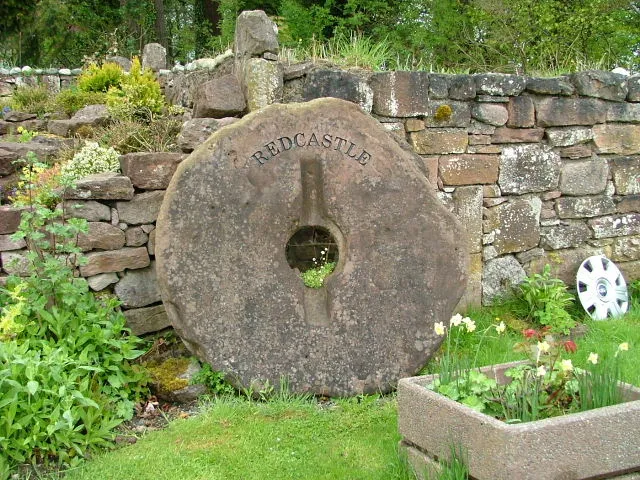
Photo: Dave Fergusson, CC BY-SA 2.0, via Wikimedia Commons
There's a millstone in the yard at The Old Mill that weighs the best part of a ton. It's been sitting in roughly the same spot for longer than anyone in the village can remember, and it will be sitting there long after every one of us has shuffled off. It hasn't moved because it can't be moved, and it hasn't changed because it doesn't need to. We've come to think of it as the patron saint of Palnackie.
The strange charm of absence
Spend five minutes on any UK travel forum and you'll find someone asking what there is to do in a place like this. It's a fair question, and our honest answer is usually: not a huge amount, and that's rather the point.
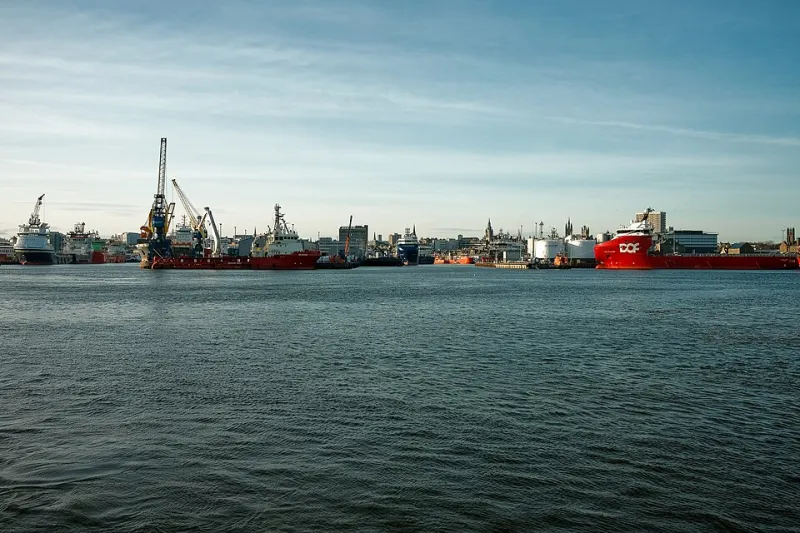
Palnackie has no chain shops. No coach park. No gift shop selling fudge with a seagull on the wrapper. What it does have is a tidal harbour that empties twice a day into a ribbon of mud, a pub that knows your name by the second pint, and a handful of lanes where the loudest sound is a tractor or the oystercatchers having a barney over the estuary.
Everything that's missing here is missing on purpose — or at least by happy accident — and that absence is precisely what people drive hours up the M6 and along the A75 to find. We're not selling an attraction. We're selling the relief of arriving somewhere that hasn't been tidied up for your benefit.
Stubbornness as a feature, not a bug
The Old Mill itself is a monument to this. The machinery that once ground grain for the farms round about is still here — great iron wheels and wooden gearwork that haven't turned in living memory but haven't been scrapped either. We could have cleared it all out, put in a hot tub and called it a lifestyle. Instead we built the guest rooms around it and let the old bones of the place do the talking.
Villages like Palnackie survive on the same stubbornness. The harbour doesn't get dredged into a marina. The shop that closed stays closed, and nobody pretends otherwise. The tide decides when your boat goes out, not an app. There's a quiet dignity in a place that has declined, decade after decade, to become something more convenient.
Treading gently is a two-way street
Now, we're not romantic about it to the point of silliness. Villages don't stay alive on charm alone — they need people, and people need houses, and houses need someone to live in them. The best thing a visitor can bring to Palnackie isn't a camera; it's a bit of thoughtfulness.
Practically speaking, that means a few simple things:
- Spend locally. The pub, the village shop in Dalbeattie, the fish van if you catch it — every pound spent here is worth ten spent at a motorway services on the way.
- Take your rubbish with you, especially along the estuary paths where bins are scarce and wildlife isn't.
- Mind the tide. It's not scenery, it's a working schedule. If the harbour's empty, it'll fill — and if it's full, it'll empty. Plan around it rather than complaining about it.
- Say hello. This is a village where people still greet strangers. Reciprocate and you'll get the good recommendations — the ones that never make it onto a website.
Why this matters more than ever
There's a version of the UK coastline where every village looks the same: same artisan bakery, same nautical-themed giftware, same queue for the same ice cream. It's pleasant enough, and we've all enjoyed it, but it's interchangeable. You could pick up Solway and drop it somewhere in Cornwall and nobody would notice.
Palnackie can't be picked up and dropped anywhere. The millstone can't be moved. That's the whole argument of this piece, really — the things a place refuses to change are the things worth travelling for, and worth protecting once you've arrived.
So come and stay. Walk down to the harbour at low water and stand in the mud and the silence. Have a pint at the Flounder Inn and let the evening take as long as it likes. And when you leave, leave the place as you found it — which is to say, exactly as it was before anyone thought it needed improving.
Some things weigh a ton for a reason.