The Last Mile Is the Best Bit: Reaching Palnackie Car-Free Without Losing Your Nerve
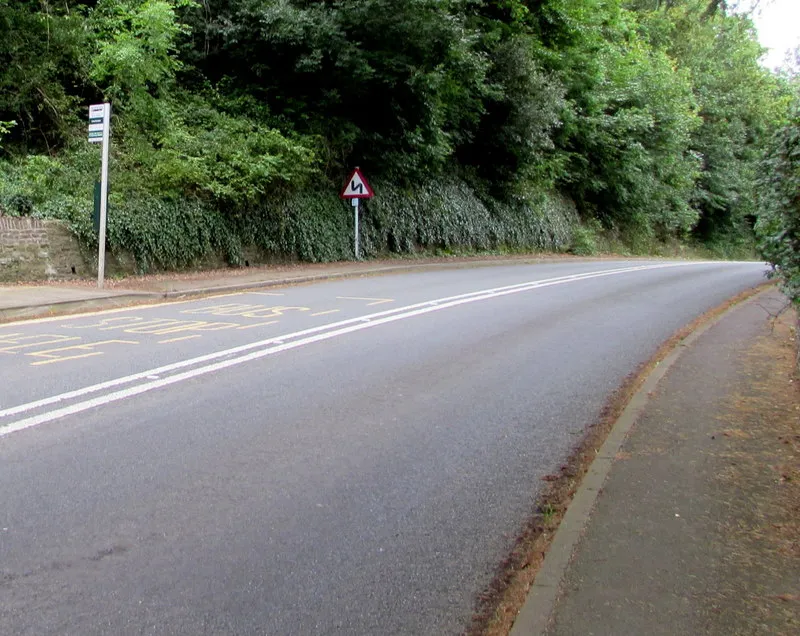
Photo: Jaggery , CC BY-SA 2.0, via Wikimedia Commons
There's a particular smugness that comes over people who arrive at a holiday cottage without a car. They step off a bus, or unclip a pannier, and look around as though they've personally solved transport. We'd like you to be one of them. Not because cars are wicked, but because the journey to Palnackie is genuinely nicer when you're not the one watching for passing places on the A711.
So here it is: the honest version. No glossy claim that Dumfries and Galloway is knitted together by a whisper-quiet bus network, and no pretending the last few miles are always elegant. Just the routes that work, the gaps you'll need to plan around, and the small triumph of landing on the Urr with a bag and a plan.
Start with the train, because that part is easy
Scotland's southwest is served by two very different railway lines, and which one you pick shapes the rest of your day.
The West Coast Main Line gives you Lockerbie, which is the fast option from London, Manchester, Birmingham and Glasgow. From Lockerbie it's roughly forty minutes by road to Palnackie — fine if you're collecting a hire car or splitting a taxi, less fine if you were hoping for a bus every twenty minutes. There isn't one.
The Glasgow South Western Line gives you Dumfries, via Kilmarnock, and this is the more useful station for car-free travellers. Dumfries has the bus station, the taxi ranks, and the best chance of a connection that actually lines up with your arrival. Trains from Glasgow Central take around two hours; from Carlisle, under an hour and a half.
A word on luggage: the Dumfries train is not a luggage car. If you're travelling with a suitcase the size of a small wardrobe, you'll be doing a bit of shunting at the doors. Pack as though you'll be carrying everything you brought for at least a quarter of a mile — because at some point, you probably will.
The bus, and where it stops being helpful
From Dumfries bus station, the sensible move is a service towards Dalbeattie or Castle Douglas, then onwards towards Kirkcudbright. Palnackie sits on that corridor, which sounds straightforward until you look at the timetable and realise the phrase "selected journeys only" is doing a lot of heavy lifting.
Here's the realistic picture: some services stop in the village, some pass the top of the road, and some don't run at all on a Sunday, or on a school holiday, or on a Tuesday in February for reasons known only to the scheduler. Check Traveline Scotland the week you travel, then check it again the day before. Don't rely on a timetable you screenshotted in June.
If you can reach Dalbeattie, you're in good shape. The village is about three and a half miles from us, and a taxi from there is short and reasonably priced if you book ahead rather than ringing at the last minute. Ask us for the current numbers when you book — local firms change hands, and we'd rather give you a live one than a number that rings out.
When the bus lets you down
It will happen eventually. A cancelled service, a driver shortage, a timetable that quietly changed in October. It's not a crisis, but it helps to have a plan B that doesn't involve standing on a verge looking tragic.
The three fallbacks, in order of dignity:
- Taxi from Dalbeattie or Castle Douglas. Book it the morning of travel. Costs less than you'd think for the distance, and far less than a night in a Dumfries hotel.
- The walk from Dalbeattie. Three and a half miles on the A711. It's a road walk, not a footpath walk — fine in daylight with decent shoes and a waterproof, grim in the dark in November. We wouldn't recommend it after about four in the afternoon in winter.
- Bike, if you've brought one. National Cycle Network Route 7 runs through this part of Galloway and the lanes around Palnackie are quiet enough to be a pleasure rather than a gamble. The hill out of Dalbeattie will remind you that you're alive.
What we'd gently push back on is the idea of arriving in Dumfries at six in the evening and "winging it". Rural transport doesn't reward improvisation. It rewards a phone call made at lunchtime.
Arriving by bike or on foot
Cyclists tend to have the best arrivals here — there's something about rolling down the last lane with the estuary opening up in front of you that makes the miles worth it. Bring a lock, bring layers, and expect the weather to have opinions. The lanes are sheltered in places and wide open in others, and the wind off the Solway doesn't negotiate.
Long-distance walkers are welcome too, and we mean that. If you're coming off the Southern Upland Way or simply tacking a few days on a walking holiday, we're used to muddy boots and damp rucksacks. Say so when you book and we'll tell you where to hang things.
The bits nobody puts in the brochure
A few practical truths, offered without drama:
- Signal is patchy. Download your tickets, your map and your taxi number before you leave Dumfries. Don't assume you can summon a ride from the middle of a lane.
- Shops close early. If you're arriving on a Sunday or after five, eat before you travel or bring something with you. Dalbeattie has a Co-op; Palnackie does not.
- Bring a torch between October and March. The lane to the mill is charming and also dark.
- Waterproof beats stylish. Every time.
- Tell us your arrival time. Not because we need to marshal a welcome party, but because it lets us leave a light on, point you at the right door, and save you a phone call from a windy car park.
The reward
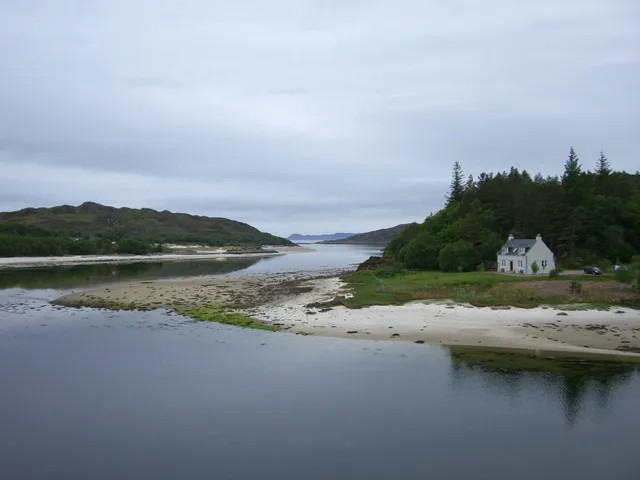
Here's the thing about arriving without a car: you notice more. The last stretch into the village, whether you're on a bus seat or a bike saddle or your own two feet, runs alongside the Urr and past the old harbour, and it does the thing that no car park view ever manages. It slows you down before your holiday has properly started.
You'll still be able to explore — the buses will get you to Castle Douglas, Dalbeattie and Kirkcudbright, and there are walks from the door that need nothing with an engine. But the arrival itself becomes part of the trip rather than a chore to be endured. Bag, plan, bus ticket. That's all you need.