Ears Before Eyes: A Listening Guide to a Stay on the Urr

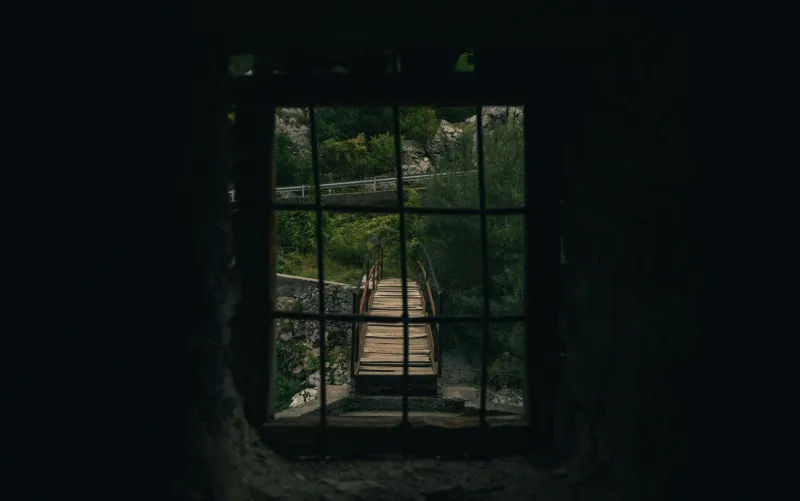
Photo: Christian Jones, CC BY-SA 2.0, via Wikimedia Commons
Most guests arrive at The Old Mill with a camera roll in mind. Fair enough — the Urr estuary does a fine line in shifting light, and the village has a habit of looking postcard-perfect just as you're trying to leave it. But there's another way to take this place in, and it costs nothing except a bit of patience. Put the phone down, leave the boots by the door for five minutes, and listen.
This isn't a solemn exercise. You don't need a meditation app or a special hat. It's just a nudge: the sounds around the mill are part of the stay, and once you start noticing them, a ordinary weekend starts to feel a lot more like being somewhere specific.
Start with the river, but not the way you think
The Urr doesn't roar. It's not that sort of river. On a normal day it works away quietly below the mill, a soft, continuous wash that you'll stop hearing after about ten minutes. That's the trap. The trick is to catch it at different heights.
At high tide, the estuary fills and the sound softens and broadens — less a stream, more a slow exhale. Gulls often come with it. At low tide, you get the wet squelch of mud and the occasional clatter of a mooring line, plus a surprising amount of birdsong from the hedges. After heavy rain, the Urr finds its voice: a faster, busier note that you can hear from the back of the building if the windows are open.
If you're staying for more than a night, check the tide table and pick two moments — one high, one low — to stand outside and listen for a minute. That's it. No equipment required.
The mill has opinions
Old buildings talk. Ours is no exception. There are creaks in the stairwell when the heating comes on, a faint tick from somewhere in the walls that we've never fully pinned down, and a groan from the timbers on cold mornings that sounds worse than it is. None of this is a fault. It's just what happens when a building has been sitting by a tidal river for a very long time.
Guests often mention the quiet at night, then add, almost apologetically, that they heard the building settling. We take that as a compliment. If you're a light sleeper, a pair of earplugs is a sensible thing to pack, but give the mill a chance first. Most people find the creaks become part of the background within a night or two — less a disturbance, more a reminder that you're not in a chain hotel.
Village murmurs
Palnackie is not a loud place. You'll hear the occasional car, a door closing, a dog barking at something only it can see, and — depending on the day — the distant thrum of a tractor or a boat engine heading out. In the evening, sound carries in that odd way small villages have. A conversation at the far end of the street can reach you quite clearly if the wind is in the right direction.
This is not a warning. It's one of the pleasures of staying somewhere small. You get the sense of a place going about its business. If you're on the river side, you may also catch the clink of rigging from the pontoon and the low murmur of people who have clearly done this before.
Birdsong, gull cries and the occasional surprise
The Solway does birds well. You don't need to be a twitcher to notice. Blackbirds and robins start early in the hedges, gulls provide the coastal backing track, and in spring and early summer the dawn chorus is genuinely impressive. Oystercatchers are the ones to listen for — a high, piping call that sounds like someone trying to get a signal in a bad reception area. Once you know it, you'll hear it everywhere.
Less welcome, perhaps, is the herring gull that has decided the roof is its personal stage. We can't do much about that one. Consider it part of the local character.
The deep quiet
The best sound at The Old Mill is the one that isn't there. On still evenings, especially in autumn and winter, the estuary can go almost silent. No traffic, no wind, no birds for a moment. Just a faint tick from the building and the sense that the tide is doing something you can't quite hear.
This is the bit guests remember. Not because it's dramatic, but because it's rare. Most of us live with a constant hum of something — traffic, fridges, notifications. A few hours of genuine quiet is a holiday in itself.
Small ways to tune in
You don't need a plan, but a few gentle prompts can help:
- The five-minute sit. Take a mug of tea outside, sit down, and don't do anything else for five minutes. No podcast, no scrolling. Just listen.
- The dawn window. If you're up early, open the window before you make coffee. The first twenty minutes of birdsong are usually the best.
- The tide check. Look at the tide table the night before and pick one high-tide moment to stand by the river. Compare it with low tide later the same day.
- The night listen. Step outside for two minutes before bed. No torch. The village at night has a different soundscape entirely.
- The rainy-day ear. If it's pouring, don't write the day off. Rain on the mill roof and the Urr running high is its own kind of weather.
None of this is compulsory. You can absolutely spend your whole stay looking at the view and never once think about what you can hear. But if you do fancy a different angle on the Solway, try arriving with your ears first. The Urr has plenty to say — you just have to be around long enough to hear it.