Cosy Is Doing a Lot of Work in That Listing: A Honest Checklist for Booking a Winter Cottage
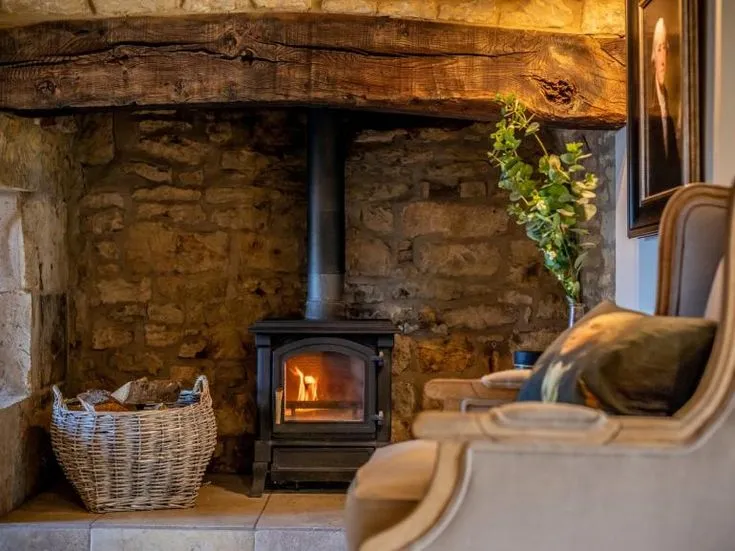
Photo: cosy stone cottage interior woodburning stove winter Scotland, via i.pinimg.com
The Most Overused Word in British Holiday Lettings
Scroll through any cottage booking site for five minutes and you'll see it. Cosy. Cosy cottage, cosy retreat, cosy hideaway, cosy bolthole for two. It's the listing equivalent of a firm handshake — offered by everyone, meaning very little by the time you've read the fortieth one.
And yet we use the word ourselves, because sometimes it's simply true. The difference is that 'cosy' isn't a decorating style or a scented candle. It's a set of physical facts about a building. So we thought we'd do something slightly unglamorous: write down what actually makes a cottage warm and welcoming in February, so you can hold any listing — including ours — up against it.
Test One: The Walls Have Something to Say
The single biggest factor in whether a cottage feels snug or shivering is the fabric of the building. A thick stone wall behaves completely differently to a thin bit of blockwork with a bit of render on it. Mass holds heat. It evens out the temperature. It stops that draught-down-the-back-of-the-neck feeling that no amount of cushions can fix.
The Old Mill is built of the local greywacke stone that most of Palnackie's older buildings are made of — walls thick enough that the window sills are practically furniture. In summer that mass keeps the place cool; in winter it means the heat you generate stays put. When you're browsing listings, look for phrases like 'traditional stone-built', 'thick walls' or 'originally a mill/steading/byre'. Converted working buildings usually have the good stuff.
Be warier of 'recently renovated' paired with 'light and airy'. Sometimes that means the character has been ripped out along with the insulation.
Test Two: Is There a Real Fire, or Just a Picture of One?
Nothing sells 'cosy' like a photo of a woodburner with the flames licking the glass. But ask the questions that matter: Is it the primary heat source or a decoration? Is there a log supply included, or does a basket of kindling cost extra? Is it a proper stove with a door that shuts, or an open fire that eats fuel and warms the chimney?
At the Mill, the woodburner in the sitting room is the heart of the place in the colder months — and yes, we're happy to tell you how the log store works before you arrive. A good rule of thumb: if a listing mentions 'electric heating throughout' but shows a fire in every photo, the fire is probably doing the marketing while the panel heaters do the work.
Test Three: Underfoot Matters More Than You Think
Nobody writes 'warm floors' in a listing, and yet cold floors are the number one complaint we hear from guests about other places they've stayed. Stone flagstones are beautiful and authentic — and absolutely freezing in January unless someone has done something about it.
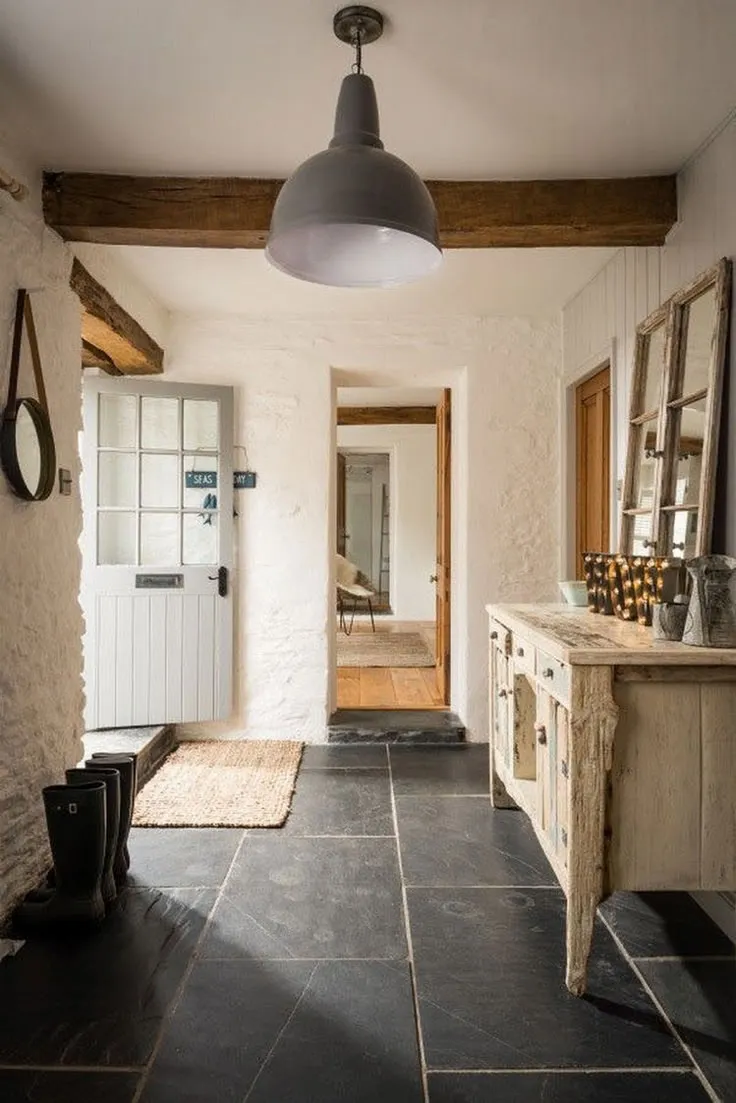
We're lucky: our ground-floor flagstones sit over underfloor heating, which means you can walk to the kitchen in bare feet on a frosty morning without performing a small dance of regret. When you're reading a listing, look for mentions of underfloor heating, carpets or rugs in living areas, and — this is the sneaky one — whether the photos show slippers provided. That's usually a sign the owner knows something about their floors.
Test Four: Where Does the Heat Actually Go?
A cottage can have a stove, thick walls and warm floors and still feel cold because the heat escapes through the roof, or because the bathroom is an unheated afterthought over the porch. Check whether the listing mentions:
- Double glazing (and whether it's sympathetic to the building)
- Heated towel rails or a heated bathroom
- Thermostats you can actually control, rather than a single landlord-set dial
If a listing is cagey about heating — no mention of how the place is warmed, no mention of fuel costs — that silence tells you something.
Test Five: The Small Honesties
Finally, the details that no marketing copy will ever state but every guest notices. Is there a hot water bottle in the cupboard? Does the welcome include something to make a hot drink the moment you arrive, rather than a hunt for the kettle at 9pm in the dark? Is the seating arranged around the fire rather than facing a television on the opposite wall?
These are the things that make a place feel like someone lives in it and cares about it, rather than someone wrote about it. We keep a stack of blankets on the window seat in the sitting room not because it photographs well (it does) but because that's where people actually sit.
The Cheeky Bit: Book Somewhere That Passes Its Own Test
We wrote this checklist partly as a service and partly, yes, as a bit of an advert — because The Old Mill passes every one of these tests, and we'd rather show you why than just shout 'cosy' at you like everyone else. Thick stone, a proper stove with logs included, heated flagstones, and a village where the tide, not the traffic, sets the pace.
So next time a listing promises you cosy, run it through the millwheel test. If the owner can answer the practical questions as easily as they wrote the poetry, you've found your winter bolthole. And if they happen to be on the Urr Estuary — well, you know where we are.