Plates of the Solway: An Eating Itinerary for Guests of The Old Mill
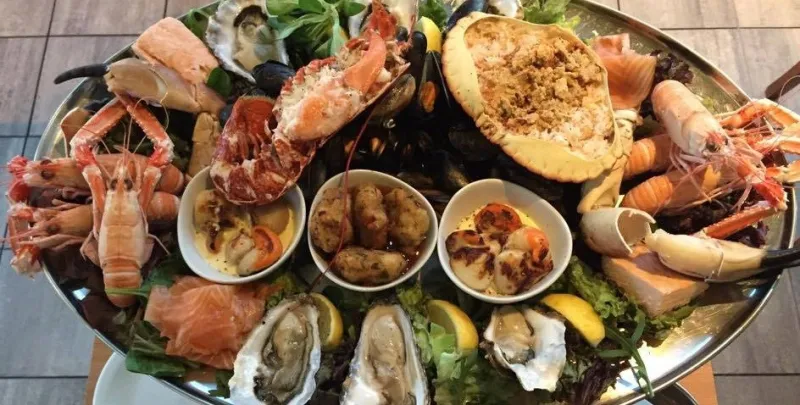
Photo: Scottish coastal seafood restaurant harbour oysters platter, via www.caledoniantrails.com
Guests arrive at The Old Mill asking the same question within about ten minutes of putting the kettle on: where should we eat?
Fair enough. The Solway coast punches well above its weight for seafood and unpretentious cooking, but it's also the kind of place where the good stuff hides down single-track roads and the best table might be a harbour wall with a paper-wrapped roll. So here's the eating plan we give friends who visit — three days, loosely structured, with plenty of room for second helpings.
Day One: Start Local, Stay Local
Don't drive anywhere on your first day. You've just done the M74; reward yourself with a slow morning.
Palnackie itself is tiny, but the surrounding villages deliver. Kippford, ten minutes up the estuary, has a pub beer garden that looks straight down the Urr — order something cold and watch the boats. For lunch or a sweet stop, the tearooms around Dalbeattie and Castle Douglas (Scotland's food town, no less) cover everything from doorstep slices of cake to proper soup-and-sandwich combos.
Evening is for Castle Douglas. It's barely twenty minutes away but feels like a different world: butchers, bakers, an entire shop devoted to ice cream. Several restaurants there cook with produce from the surrounding Galloway hills, and it's the kind of place where the waiter actually knows which farm the lamb came from.
Day Two: The Seafood Run
This is the big one, and it works best if you check the tide times on our noticeboard before you set off — some of the coastal spots are at their best with water in the harbour.
Head west along the coast. Wigtown, Scotland's book town, is worth a browse even if you're just stretching your legs, and the tearooms there are excellent for a mid-morning scone. Press on to Portpatrick, where the harbour is so photogenic it borders on showing off. The village's restaurants are famous for local shellfish — langoustines, scallops and, in season, oysters landed nearby. Sit outside if the weather allows; the Atlantic light does something wonderful to a plate of seafood.
On the way back, if you've any room left, the Stranraer area has a growing reputation for artisan cheese and dairy — a detour to a farm shop will stock your picnic supplies for the rest of the week.
Day Three: Sheds, Smoke and Harbour Kettles
Save the most characterful eating for last. Up the coast towards Kirkcudbright — the artists' town, and well worth an hour of gallery-hopping — you'll find small seafood outlets and smokehouses where the day's catch goes more or less straight from boat to counter. Some operate out of little more than a shed with a chimney, and they're often the best meals of the trip.
Kirkcudbright itself does a lovely line in harbourside fish and chips. Take them to the sea wall, wait for a break in the clouds, and eat them while they're hot. This is not fine dining. It's better than that.
Booking Tips for High Season
A few things we've learned from watching guests come and go:
- Book ahead in July and August. The good kitchens here are small, and weekend tables go weeks in advance.
- Sunday lunch needs reserving too. Country pubs in Dumfries and Galloway do a roaring trade in roasts.
- Ask about the catch of the day. Menus here change with the weather, genuinely.
- Check opening days. Plenty of village tearooms shut Mondays and Tuesdays, out of season especially.
One Last Thing
Whatever you do, leave one evening free to eat in. The mill kitchen is a lovely place to cook, Castle Douglas's shops will fill your basket in twenty minutes, and there's no better end to a Solway day than dinner by the stream with the oystercatchers calling across the mudflats.
Though if you must know our favourite table in the region: it's any of them, as long as someone else did the washing up.