Storm Light and Empty Footpaths: In Defence of an Autumn Break on the Solway
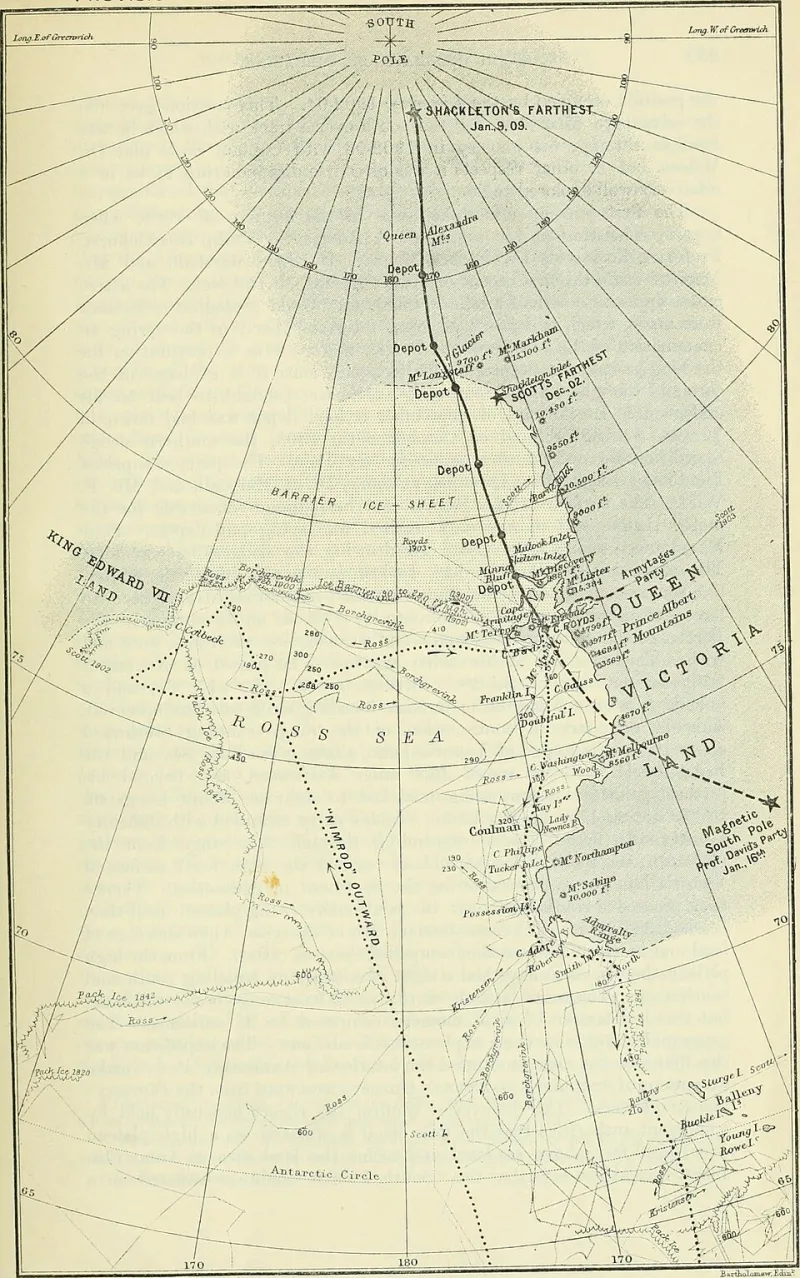
Photo: Scottish Geographical Society; Royal Scottish Geographical Society, No restrictions, via Wikimedia Commons
Let's get one thing straight: the idea that Scotland is a summer destination is a marketing triumph and a practical nonsense. Yes, June and July are lovely — everyone knows that, which is precisely the problem. Come autumn instead, and you get the same coastline, the same hills and the same generous hospitality, minus the traffic, the midges' worst weeks and the eye-watering peak-season prices. Here's why we think September through November is the smart traveller's season on the Solway.
The Light Does Half the Work
Ask any photographer who works this coast and they'll tell you: autumn light is the good stuff. The sun sits lower, so even midday has a golden slant to it, and the long shadows rake across the mudflats at Rough Firth in a way July simply can't manage. Clear days feel crisp and dramatic; grey days turn the whole estuary into a study in silver and slate.
And then there are the storms — or at least the edges of them. Watching a squall march across the Solway from the comfort of a window seat, with the fire lit and a mug of something hot, is one of the great underrated pleasures of a British autumn. You don't need to be in it to enjoy it.
Wildlife Without the Crowds
Autumn is quietly the best wildlife season here. Red squirrels are busy caching for winter and far more visible in the thinning woodland — the forests around Dumfries and Galloway are one of their last strongholds in Britain, and sightings from the garden at The Old Mill aren't unusual, let alone on a woodland walk. Migratory birds arrive on the coast in their tens of thousands; barnacle and pink-footed geese fill the skies with noise, and the reserves along this stretch of shore have hides where you can watch the spectacle dry-shod.
The footpaths, meanwhile, belong to you. The coastal walks and forest trails that would be busy in summer are empty enough in October that you'll hear your own footsteps. Bring proper boots and a waterproof — this is Scotland, not the Algarve — and the walking is as good as it gets.
What It Costs (Spoiler: Less)
Here's the practical bit. Off-season rates at independent places like ours are noticeably kinder than in July and August, and availability is a different world — you can actually book a specific room for a specific weekend without planning six months ahead. For UK travellers watching the budget, that difference can stretch a two-night stay into three, or fund the extra pub dinner you were going to feel guilty about.
Evenings Done Properly
Which brings us to the evenings. Autumn holidays are about the indoors as much as the out: a fire going, a good book, and the tide doing its slow theatre outside. The village pub serves the kind of food that suits weather with an edge, and there are excellent dinner options a short drive away in Dalbeattie and Castle Douglas — a town that takes its food seriously for its size.
A Sensible Autumn Packing List
- Waterproof jacket and walking boots — non-negotiable
- Layers; the weather can deliver four seasons before lunch
- Binoculars for the geese, the seals and the squirrels
- A book you've been saving
- A healthy respect for tide times if you're walking the shore (read our tide guide before you set out)
Book the Bit Before Christmas
The sweet spot runs from mid-September to mid-November — after the schools go back, before the festive rush. The trees are turning in the Galloway forest, the light is at its best, and there's a general sense that the coast has been handed back to the people who love it. If you've always assumed Scotland was a summer-only proposition, come and see what you've been missing. Bring the boots. We'll keep the fire in.